

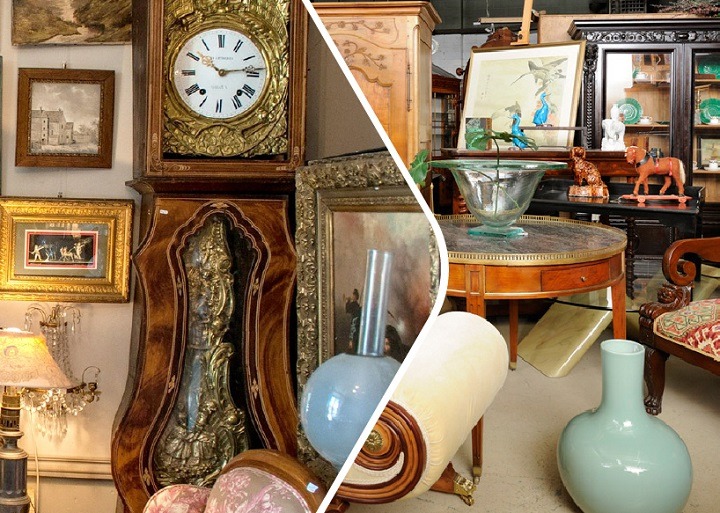
Antiques are more than just objects; they are portals to the past, vessels of history, and embodiments of craftsmanship. Whether inherited, discovered, or collected, antiques hold a special allure that captivates enthusiasts and collectors alike. However, parting ways with these cherished treasures can be a daunting task. In this comprehensive guide, we’ll delve into the art of selling antiques, offering practical tips, expert advice, and valuable insights to help you navigate the process with confidence and success.
Understanding the Value of Antiques

Before embarking on the journey of selling antiques, it’s essential to understand their value and significance. Antiques are items that are at least 100 years old and possess historical, cultural, or artistic merit. They can range from furniture and artwork to jewelry, ceramics, and beyond. The value of an antique is influenced by factors such as age, rarity, condition, provenance, and demand in the market. By researching and assessing these factors, you can gain a better understanding of the worth of your antiques and set realistic expectations for their sale.
Assessing Your Antiques
The first step in selling antiques is to assess the items you wish to sell thoroughly. Take inventory of your collection, noting each item’s characteristics, condition, and provenance. Look for any identifying marks, signatures, or labels that may indicate the item’s age, origin, or maker. Additionally, assess the overall condition of the antiques, noting any signs of damage, wear, or restoration. This information will not only help you accurately describe and value your antiques but also provide valuable documentation for potential buyers.
Researching the Market
Once you’ve assessed your antiques, it’s time to research the market to determine their value and identify potential buyers. Utilize online resources, antique price guides, auction catalogs, and professional appraisers to gather information about similar items and recent sales prices. Pay attention to market trends, demand patterns, and fluctuations in value to gauge the market’s appetite for your antiques. Additionally, consider the preferences and tastes of potential buyers, such as collectors, dealers, interior designers, and enthusiasts, to tailor your marketing and sales approach accordingly.
Choosing the Right Sales Channel
When selling antiques, you have several options for choosing the right sales channel. Consider the following:
Online Marketplaces: Websites such as eBay, Etsy, and Ruby Lane offer a platform for selling antiques to a global audience. These platforms provide visibility, reach, and convenience but may require additional effort in terms of listing, marketing, and shipping.
Auction Houses: Auction houses specialize in selling antiques through live or online auctions. They offer expertise, marketing resources, and access to a diverse network of buyers but typically charge commissions and fees on sales.
Antique Dealers: Antique dealers buy and sell antiques through their storefronts, galleries, or online platforms. They offer expertise, appraisal services, and personalized attention but may offer lower prices compared to private sales.
Consignment Shops: Consignment shops accept antiques on consignment, selling them on behalf of the owner in exchange for a percentage of the sale price. This option offers convenience and exposure but may result in longer wait times and lower returns.
Private Sales: Selling antiques privately through classified ads, social media, or word-of-mouth allows you to retain control over the sales process and negotiate directly with buyers. However, it may require additional effort in terms of marketing, screening, and negotiating with potential buyers.
Marketing Your Antiques
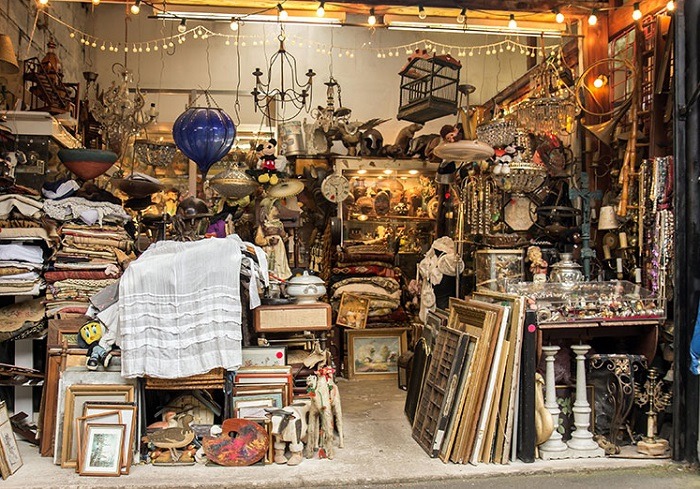
Effective marketing is essential for selling antiques and attracting potential buyers. Consider the following strategies:
Photography: Take high-quality photographs of your antiques from multiple angles, showcasing their unique features, craftsmanship, and condition.
Descriptions: Write detailed and accurate descriptions of your antiques, highlighting their history, provenance, materials, dimensions, and condition.
Online Listings: Create compelling listings for your antiques on online marketplaces, auction sites, social media platforms, and antique directories, utilizing keywords, tags, and categories to enhance visibility and searchability.
Networking: Attend antique fairs, shows, and events to network with collectors, dealers, and enthusiasts, showcasing your antiques and building relationships within the community.
Social Media: Utilize social media platforms such as Instagram, Facebook, and Pinterest to showcase your antiques, engage with followers, and attract potential buyers through visual storytelling and targeted advertising.
Negotiating and Closing the Sale
Once you’ve attracted potential buyers and received offers for your antiques, it’s time to negotiate and close the sale. Consider the following tips:
Know Your Bottom Line: Determine the minimum price you’re willing to accept for your antiques and stick to it during negotiations.
Be Flexible: Be open to negotiating on price, terms, and conditions to reach a mutually beneficial agreement with the buyer.
Be Patient: Selling antiques can take time, so be patient and persistent in your efforts, following up with interested buyers and staying engaged throughout the sales process.
Documentation: Prepare all necessary documentation, including sales receipts, invoices, contracts, and certificates of authenticity, to ensure a smooth and transparent transaction.
Payment: Arrange for secure payment methods, such as cash, bank transfer, or escrow services, to protect yourself and your antiques during the sale.
Related Post:
Assessing the Pawn Value of the iPad 9th Generation: What to Expect
Determining the Value of Your PS3 at a Pawn Shop: A Comprehensive Guide
Understanding Pawn Shop Offers: Evaluating the Value of a 55-Inch TV
In conclusion, selling antiques is both an art and a science—an opportunity to share the beauty, history, and craftsmanship of cherished treasures with new owners. By understanding the value of your antiques, assessing their condition, researching the market, choosing the right sales channel, marketing effectively, and negotiating skillfully, you can navigate the selling process with confidence and success. Whether you’re downsizing, decluttering, or simply ready to part ways with your antiques, embrace the journey with enthusiasm, curiosity, and a sense of adventure. With patience, perseverance, and a little bit of luck, you’ll find the perfect buyer who appreciates and treasures your antiques as much as you do.