

Investing in stocks can be an exciting venture, offering the potential for financial growth and stability. Among the multitude of options available in the stock market, Apple Inc. stands out as one of the most iconic and influential companies. As a leading innovator in technology and consumer electronics, Apple has captured the imagination of investors worldwide. In this blog post, we’ll explore everything you need to know about Apple shares, from their history and performance to tips for investing and maximizing your returns.
Understanding Apple Shares
Before diving into the world of Apple shares, it’s essential to understand what a share represents. A share of stock is a unit of ownership in a company, entitling the shareholder to a portion of the company’s assets and earnings. When you buy shares of Apple stock, you become a partial owner of the company, with a stake in its success and profitability.
A Brief History of Apple Shares
Apple Inc. went public on December 12, 1980, offering shares at $22 each in its initial public offering (IPO). Since then, Apple shares have undergone significant growth and transformation, fueled by the company’s innovation, market dominance, and loyal customer base. Over the years, Apple’s stock price has experienced fluctuations, driven by various factors such as product launches, financial performance, and market conditions.
Performance and Growth Potential
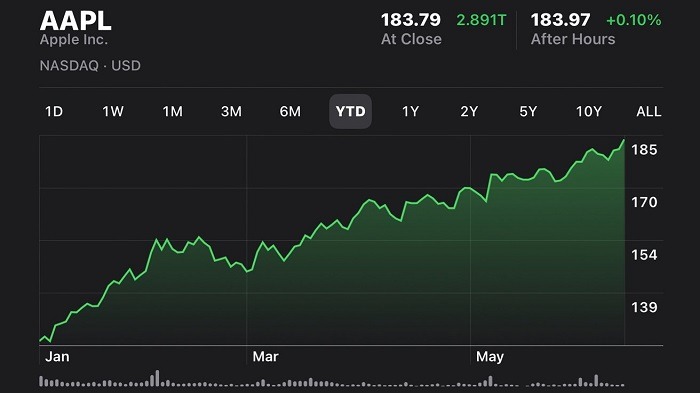
Investing in Apple shares has proven to be a lucrative endeavor for many investors over the years. With a track record of innovation and profitability, Apple has consistently delivered strong financial results and shareholder returns. The company’s iconic products, including the iPhone, iPad, and Mac, have helped drive revenue growth and expand its global reach. Additionally, Apple’s ecosystem of services, such as iCloud, the App Store, and Apple Music, has contributed to recurring revenue streams and increased customer loyalty.
Factors Influencing Apple Shares
Several factors can influence the price and performance of Apple shares, including:
- Product Launches: The introduction of new products and updates to existing products can impact investor sentiment and drive fluctuations in Apple’s stock price. Successful product launches, such as the unveiling of a new iPhone model or innovative technology, often lead to positive market reactions and increased investor confidence.
- Financial Performance: Apple’s quarterly earnings reports and financial metrics, including revenue, profit margins, and guidance, play a significant role in shaping investor perceptions and stock price movements. Strong financial results typically result in upward momentum for Apple shares, while disappointing performance may lead to sell-offs and price declines.
- Market Trends: Macroeconomic factors, industry trends, and market dynamics can influence investor behavior and impact the broader stock market, including Apple shares. Economic indicators, geopolitical events, and consumer sentiment can all contribute to market volatility and affect the performance of Apple’s stock.
- Competitive Landscape: Apple operates in a highly competitive industry, facing competition from other tech giants, such as Samsung, Google, and Microsoft. Changes in the competitive landscape, market share dynamics, and technological advancements can impact investor perceptions of Apple’s long-term growth prospects and competitive position.
Tips for Investing in Apple Shares
If you’re considering investing in Apple shares, here are some tips to help you make informed decisions and maximize your investment potential:
- Do Your Research: Before investing in Apple shares or any other stock, take the time to research the company’s business model, financial performance, competitive position, and growth prospects. Familiarize yourself with Apple’s products, services, and strategic initiatives to gain insight into its future trajectory.
- Diversify Your Portfolio: While Apple shares may offer attractive growth potential, it’s essential to diversify your investment portfolio to mitigate risk and enhance long-term returns. Consider allocating your investment capital across various asset classes, industries, and geographic regions to achieve a balanced and diversified portfolio.
- Monitor Market Trends: Stay informed about market trends, industry developments, and macroeconomic indicators that may impact Apple’s stock price. Monitor Apple’s quarterly earnings reports, product announcements, and key events to gauge investor sentiment and identify potential buying or selling opportunities.
- Set Realistic Expectations: Investing in stocks involves inherent risks, including the risk of loss of capital. Set realistic expectations for your investment returns and be prepared to withstand market volatility and fluctuations in Apple’s stock price. Focus on the long-term growth potential of Apple as a company and avoid making impulsive investment decisions based on short-term market movements.
Related Post:
Exploring the Evolution: Apple Watch Series 7 vs Series 8
Troubleshooting Guide: What to Do When Your Apple Pencil Isn’t Working
The Evolution of Power: Exploring the Apple USB-C Charger
Investing in Apple shares offers the potential for financial growth and exposure to one of the world’s most innovative and iconic companies. With a track record of success, a strong brand presence, and a loyal customer base, Apple continues to be a compelling investment opportunity for investors worldwide. By understanding the factors that influence Apple’s stock price, conducting thorough research, and adopting a disciplined investment approach, you can position yourself to capitalize on the growth potential of Apple shares and build wealth over time. As with any investment, it’s essential to consult with a financial advisor and carefully consider your investment objectives, risk tolerance, and time horizon before investing in Apple shares or any other securities.